
The right wrap raises the price.
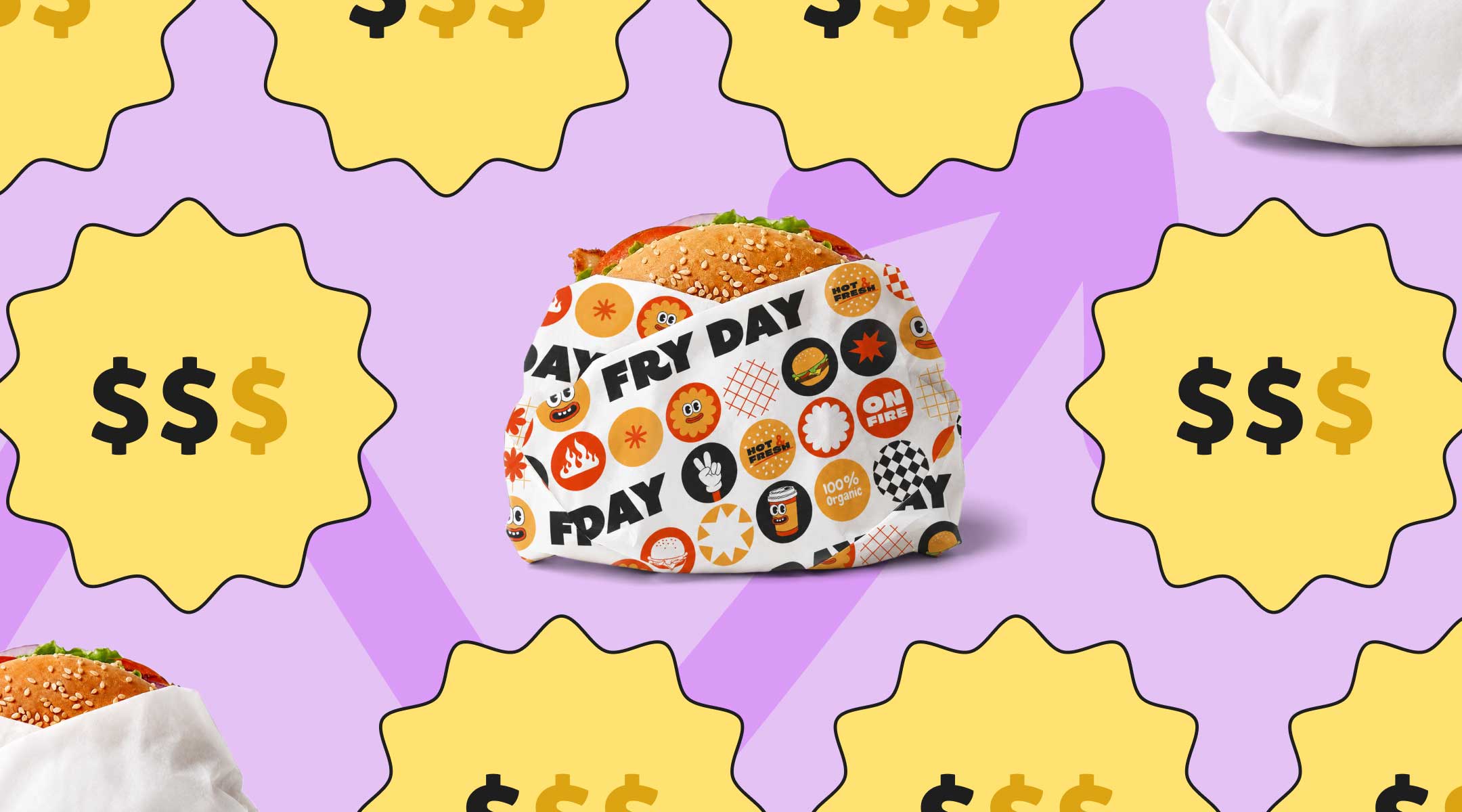
You've been thinking about raising your burger by a dollar. Maybe a dollar fifty. You've done the math on food costs, labor, the price of everything that goes into the build. It tracks. But something keeps stopping you.
The fear isn't the math. It's the customer. Will they notice? Will they push back? Will they go somewhere else?
Here's what independent research says: branded packaging makes your food feel more expensive – and when it feels more expensive, customers are willing to pay a premium for it. The wrap is already doing that pricing work, whether you planned it or not.
What 400 Diners Told Us About What They'd Pay
We commissioned independent research to find out how branded food paper actually affects consumer behavior. Four hundred diners. Quantitative survey, focus groups, one-on-one interviews. We put the same food in front of them: plain wrap on one side, branded wrap on the other. Then we asked what they'd pay.
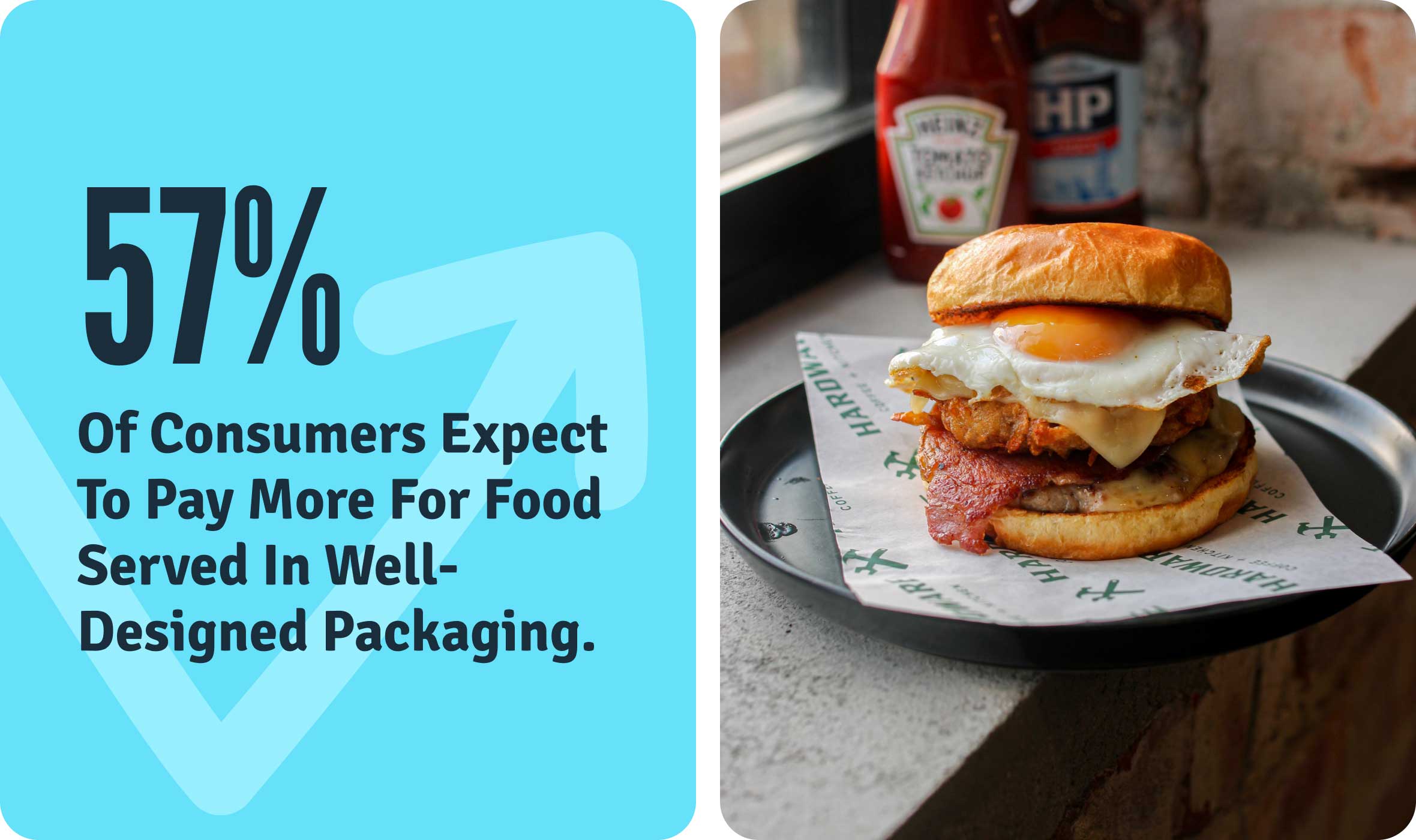
57% of consumers expect to pay more for food served in well-designed packaging.
Not assume. Expect. That's a pricing signal that doesn't require a menu update to activate. It's already there the moment a customer picks up their order.
They Chose Branded. Even When It Cost More.
We didn't stop at preference. We tested price tolerance directly.
When the branded meal cost nearly 20% more than the plain alternative, nearly 70% of consumers still chose the branded option.
The food didn't change but the price went up. The wrap made the difference.
That's not a packaging result. That's a revenue result.
The Broader Picture
The pricing data sits inside a larger set of findings that all point the same direction.
- 82% of consumers prefer branded food packaging over plain – only 11% prefer unbranded
- 86% say food presentation influences how they perceive quality
- 89% say attractive packaging raises their expectations for the meal – before they've taken a bite
- 74% are willing to pay more for a better-presented meal
Quality perception is formed before the first bite. The wrap is already setting the table.
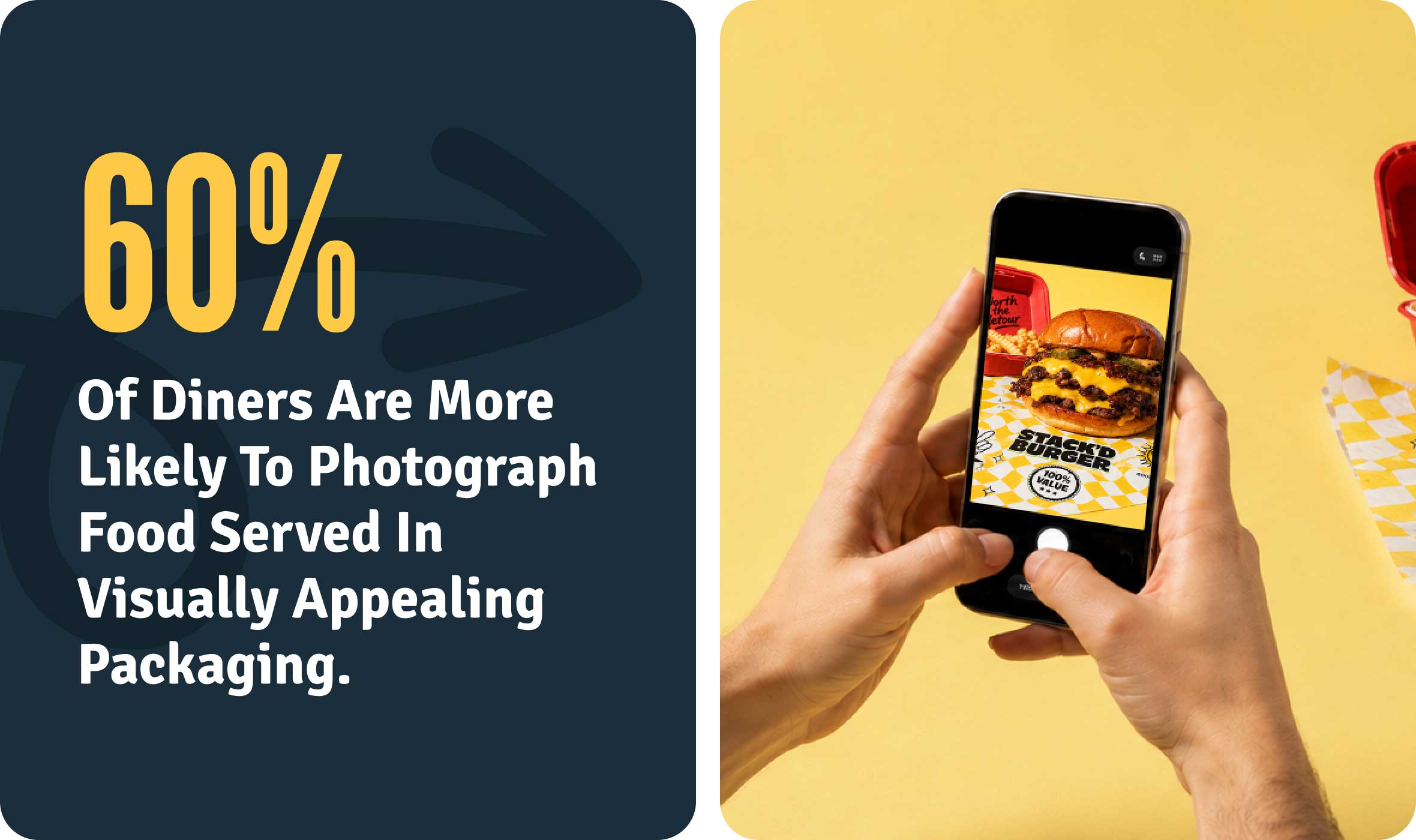
And then there's what happens after the meal. 60% of diners are more likely to photograph food served in visually appealing packaging. 77% of people turn to social media for meal decisions, and 93% encounter food in their feed. Branded paper makes your food more likely to be photographed – and that photo reaches people deciding where to eat next.
This Is What the Paper Is Actually Doing
Every operator starts the conversation at cost. A few cents a sheet. A box of a thousand. A line in the supply budget.
The better question is what branding does to perceived value. Branded packaging makes the food feel more expensive, and that feeling shows up everywhere: in quality perception, in restaurant choice, in social sharing, and in the price a customer decides the food is worth. When the meal feels premium, you can charge a premium for it.

Get the latest scoop
Here's some food for thought for all things food service paper:


